
The Processing of K9 Optical Glass Prisms
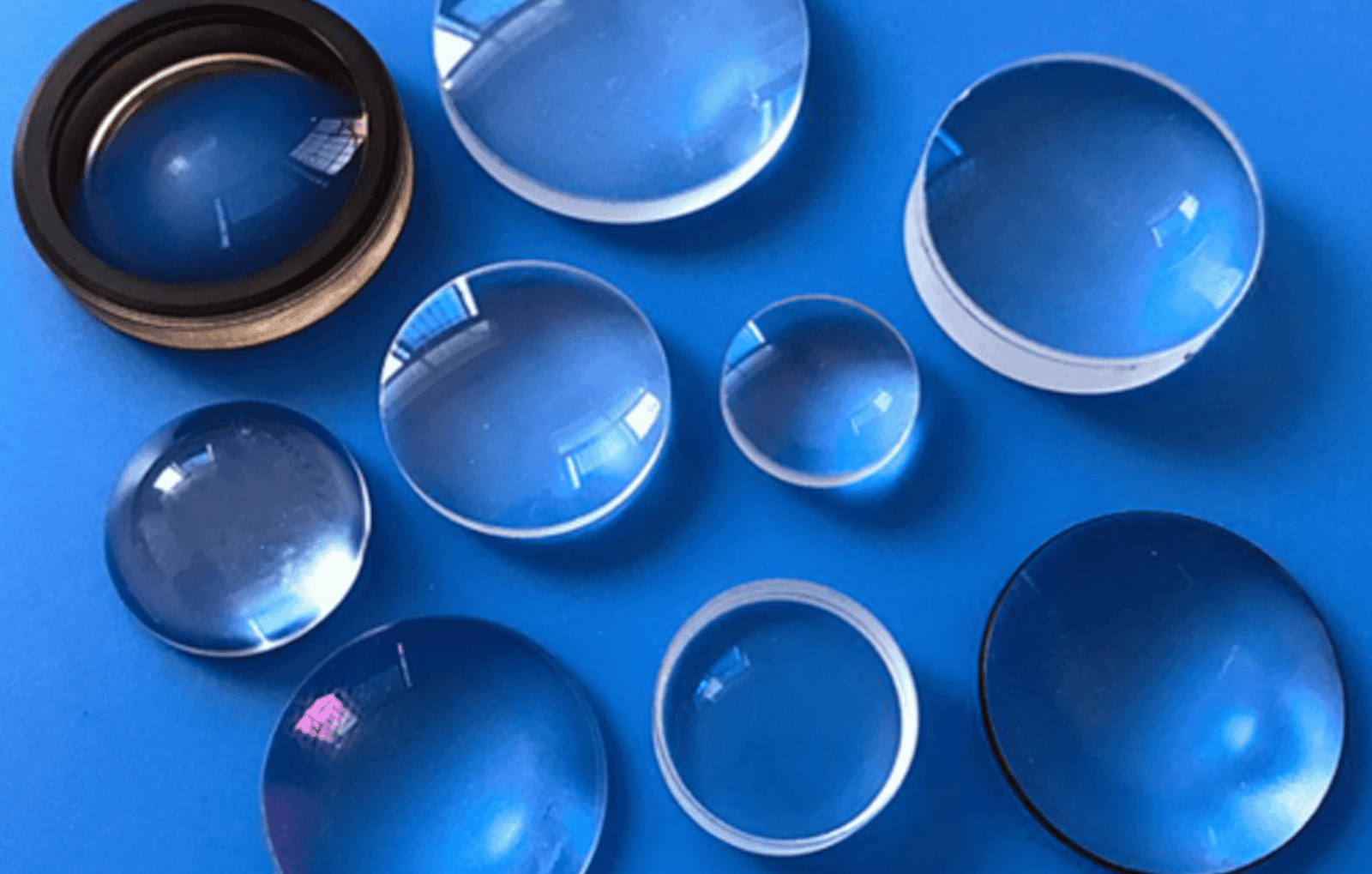
The processing of K9 optical glass prisms is a meticulous and intricate procedure, encompassing a series of pivotal stages.
- Raw materials preparation
It is first necessary to obtain a K9 glass work blank that meets the requisite standard. K9 glass blanks are typically characterized by favourable optical properties and mechanical stability.
- Rough grinding
The initial stage of the machining process for K9 glass prisms is rough grinding. This is undertaken with the objective of obtaining the basic geometry and dimensions of the K9 glass blank. The process is typically conducted through the use of grinding machinery or metallic diamond grinding wheels, which facilitate the removal of a substantial quantity of glass material to achieve a prism size that is in alignment with the desired specifications. Following the application of a coarse grinding process, the surface of the prism will exhibit a relatively rough texture and an uneven layer.
- Fine grinding
The objective of fine grinding is to further improve the surface of the K9 glass prism on the basis of rough grinding. This stage is primarily designed to remove any cracks or scratches that may have formed on the surface during the initial rough grinding process, while simultaneously enhancing the overall uniformity and finish of the prism. It is essential to maintain the surface of the prism in a wet state throughout the fine grinding process to accelerate the removal of glass and prevent overheating. Following this stage, the surface of the prism will be relatively smooth, though the final optical accuracy has yet been achieved.
- Polishing
Polishing is one of the most critical steps in the machining of K9 glass prisms, which determines the final optical quality of the prisms. During the polishing process, the surface of the prism is rubbed against polishing tools, such as polyurethane polishers that are wet by a grinding paste, to remove the fine marks and bumps left by the grinding process. Polishing pastes typically comprise an optical polishing compound, such as pumice or cerium oxide, blended with water. It is essential to exercise strict control over key variables such as time, pressure, temperature and the quantity of polish agent introduced during the polishing process. This approach ensures that the surface of the K9 glass prism meets the specified optical accuracy and fineness.
- Chamfering
Once the polishing process is complete, the edges of the K9 glass prism are chamfered using a rotating diamond slab. The objective of this stage is to reduce the sharpness of the prism edges to a degree that will prevent scratching or damaging other optical elements during use. Following the chamfering process, the edges of the K9 glass prism are smoothed and become less susceptible to damage.
- Cleaning and inspection
It is essential that K9 glass prisms are thoroughly cleaned before coating to remove any impurities or contaminants from their surface. Once cleaned, the prism will undergo optical testing and appearance inspections to ensure that its surface quality, dimensional accuracy and optical properties meet the design requirements. These inspections can be conducted manually or automatically.
- Coating
As required, the surface of the K9 glass prism may be coated with an anti-reflection film (AR film) or a reflective film (such as a metal film) to optimize its transmittance or reflectivity. The coating process is typically conducted in a vacuum environment, with the film material deposited on the surface of the prism through evaporation or sputtering. After coating, the optical properties of the prism will be further improved.
- Packing and shipping
The K9 glass prism, which has undergone a rigorous inspection and testing process, will be completed, packed and shipped. It is essential to pay close attention to the packaging process to ensure that the surface of the prism is protected from scratches and contamination. This will guarantee that the prism maintains its optimal optical properties throughout its use.
In summary, the processing of K9 glass optical glass prism involves a number of key steps, including the preparation of raw materials, rough grinding, fine grinding, polishing, chamfering, cleaning and inspection, coating, packaging and shipping. It is essential to maintain strict control of process parameters and quality requirements at each stage to guarantee the optical performance and reliability of the final product.
