
Manufacturing Steps and Strengthening Treatment of Sapphire Glass
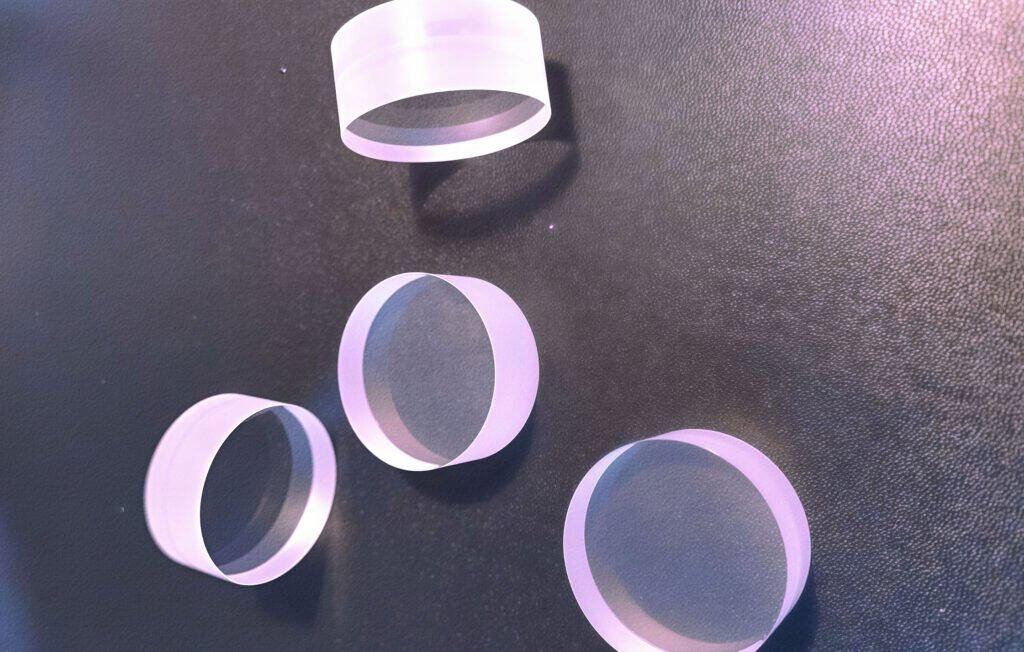
As a high-performance optical material with exceptional hardness, sapphire glass has been extensively applied in various fields such as watch glass, mobile phone screens, and optical components. The manufacturing process comprises multiple precise stages, ranging from the selection and melting of raw materials to subsequent cutting, polishing, and strengthening treatments, each of which plays a critical role. This article aims to provide an in-depth introduction to the manufacturing steps of sapphire glass.
- Raw material selection and smelting
Sapphire glass is constituted of high-purity alumina (Al2O3), which is subjected to a process of special treatment in order to establish a stable crystal structure at high temperatures. In addition to alumina, the process necessitates the incorporation of trace amounts of other oxides, including lanthanum oxide and yttrium oxide, among others. These impurities are introduced to achieve precise adjustments to the physical and chemical properties of the sapphire glass. These raw materials need to be strictly screened and proportioned before melting to ensure the quality and performance of the final product.
Melting represents a pivotal stage in the production process. The raw material is introduced into a high-temperature furnace, typically at a temperature in excess of 2000 °C. This high temperature is essential to ensure complete melting of the alumina and other oxides, resulting in the formation of a uniform liquid. Following the process of smelting, the molten liquid rapidly cools and solidifies into a cylindrical or square crystal rod, thereby establishing the initial form of artificial sapphire glass.
- Cutting and grinding
The molten sapphire crystal rods are required to be cut and ground in order to attain the desired shape and size. The cutting process is typically executed through the utilization of laser cutting machines. This process generates some scraps and debris that need to be properly disposed of and recycled.
Subsequent to the cutting process, the grinding process is used to eliminate the burrs and uneven surfaces generated in the cutting process. The grinding process is typically conducted using a grinder and grinding fluid, with the sapphire glass sheet being subjected to repetitive grinding through the upper and lower grinding discs in the machine until the surface is rendered smooth and flat.
- Polishing and cleaning
Following the grinding process, the sapphire glass must undergo a polishing procedure in order to enhance its surface finish and transparency. The polishing process bears a strong resemblance to grinding, yet it is distinguished by the use of more sophisticated polishing fluids and discs. The polished sapphire glass sheet will form a uniform mirror gloss on its surface, giving it a brighter and clearer appearance.
Following the completion of the polishing process, a cleaning treatment is required to remove the stains and residues that have been generated. The cleaning process is typically conducted using ultrasonic cleaning machines, which utilize minute bubbles generated by high-frequency vibration to achieve a thorough cleaning of the sapphire glass sheet, thereby ensuring that the surface is unsoiled and stain-free.
- Physical strengthening
In order to enhance hardness and impact resistance, it is typically necessary to implement a physical strengthening treatment. The principle of physical strengthening involves subjecting the sapphire glass sheet to a specific temperature of heat and subsequently allowing it to cool rapidly. This process creates an internal stress distribution that is uneven, thereby enhancing its hardness and toughness. In the strengthening process, the heating temperature and cooling speed need to be strictly controlled to ensure the strengthening effect and product quality.
- Inspection and quality control
In the production of sapphire glass, rigorous quality control and testing are essential at every stage. From raw material selection and melting to cutting, grinding, polishing, cleaning, strengthening, and other processes, regular sampling and performance evaluations must be conducted. These tests encompass optical performance assessment, structural integrity evaluation, hardness measurement, impact resistance testing, and more, ensuring that the product quality and performance comply with customer requirements and industry standards.
