
Factors Contributing to the High Cost of Sapphire Glass Lenses
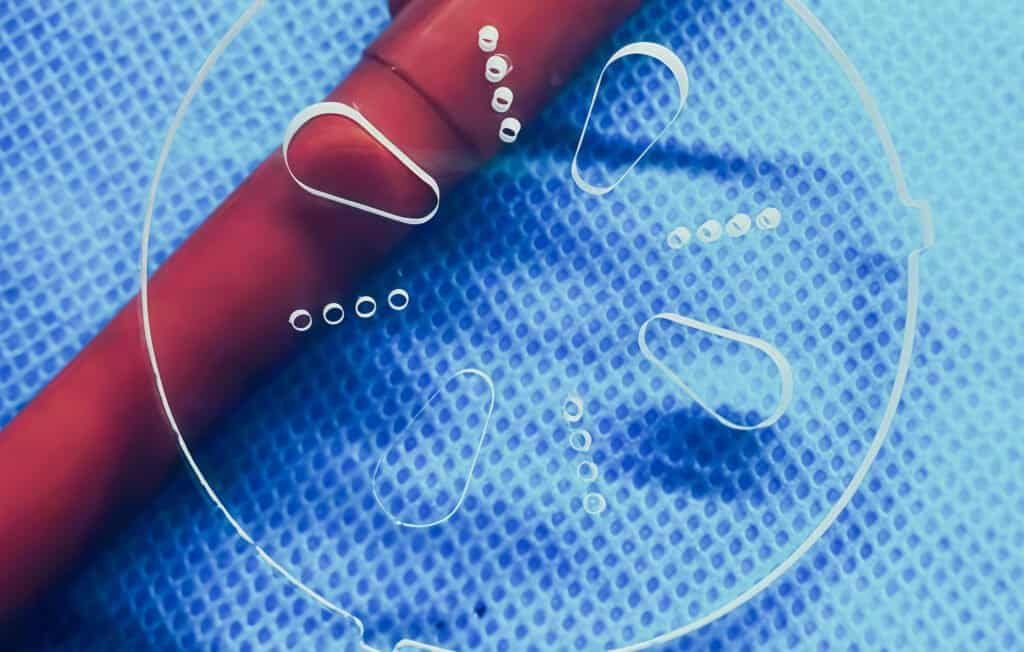
Sapphire glass lenses represent a high-performance material, manufactured based on single-crystal alumina. Renowned for their extraordinary hardness, outstanding durability and excellent scratch resistance, they are the ideal solution for a wide variety of applications. In addition, it boasts excellent optical properties, including high light transmittance and low light dispersion, making it highly suitable for use in high-end camera lenses, watch crystals, and precision optical instruments. However, the price of sapphire lenses is significantly higher than that of ordinary glass and even some special glasses. The following five factors are the main drivers of the high cost of sapphire glass.
- Material cost
Sapphire is a single crystal form that is artificially synthesized from aluminium oxide under specific conditions, and its growth process is extremely complex and time-consuming. In industry, processes such as the pulling method, heat exchange method or guide mold method are often adopted. These processes require the use of expensive, dedicated crystal growth furnaces in high-temperature environments exceeding 2000°C, as well as precisely controlled temperature gradients and clean environments.
- Highmelting
The melting point of sapphire is approximately 2040°C, which is significantly higher than that of ordinary glass. Due to its high melting point, the production process requires the use of specially designed ultra-high temperature furnaces. Meanwhile, the high temperature required to maintain the molten state is energy-intensive, and electricity charges account for a significant proportion of the overall cost. Furthermore, it is challenging to regulate impurities at elevated temperatures. Slight fluctuations in composition can have a detrimental effect on crystal quality, resulting in increased process difficulty and cost.
- Difficult to cut and shape
The high hardness of sapphire presents significant challenges during processing. Conventional metal or alloy tools are not suitable for this purpose. It is imperative that diamond-coated or diamond-grained saw blades are used, and the operation should be carried out at a slow feed rate to prevent the material from cracking. The forming and grinding stages present significant challenges: grinding necessitates the application of multiple layers of super-hard abrasives, while polishing requires a silica suspension in conjunction with meticulously precise process parameters.
- Low yield
During the cutting and forming process of sapphire, due to the high brittleness of the material and the possible presence of internal stress or microcracks, the actual utilization rate is very low. A significant quantity of materials are transformed into non-recyclable powder or waste chips during the processes of cutting, shaping and polishing. Furthermore, any error during the process may result in the entire lens being scrapped, and the yield rate is generally not high. This low yield necessitates that manufacturers pass on the costs of wasted materials to each qualified product, which has a substantial impact on the overall unit price.
- Professional application
Sapphire lenses are primarily utilized in specific domains characterized by stringent performance criteria, including anti-radiation windows for aerospace equipment, protective covers for military infrared guidance systems, watch crystals for high-end wristwatches, camera covers for smartphones, and observation windows for medical surgical instruments. These applications require high-strength and scratch-resistant materials that provide exceptional optical transparency and chemical stability, making them unsuitable for ordinary glass.
In summary, the high expense of sapphire glass lenses is attributable to numerous factors, including the cost of raw materials, the high energy consumption during processing caused by their elevated melting points, the challenges associated with cutting and forming, the low yield rates, the low utilization of materials, and the limited scope of professional applications. The combination of these factors is expected to ensure that sapphire lenses remain at a relatively high price level in the foreseeable future.
