
The Production & Cutting of Sapphire Glass with Resistance to High & Low Temperatures
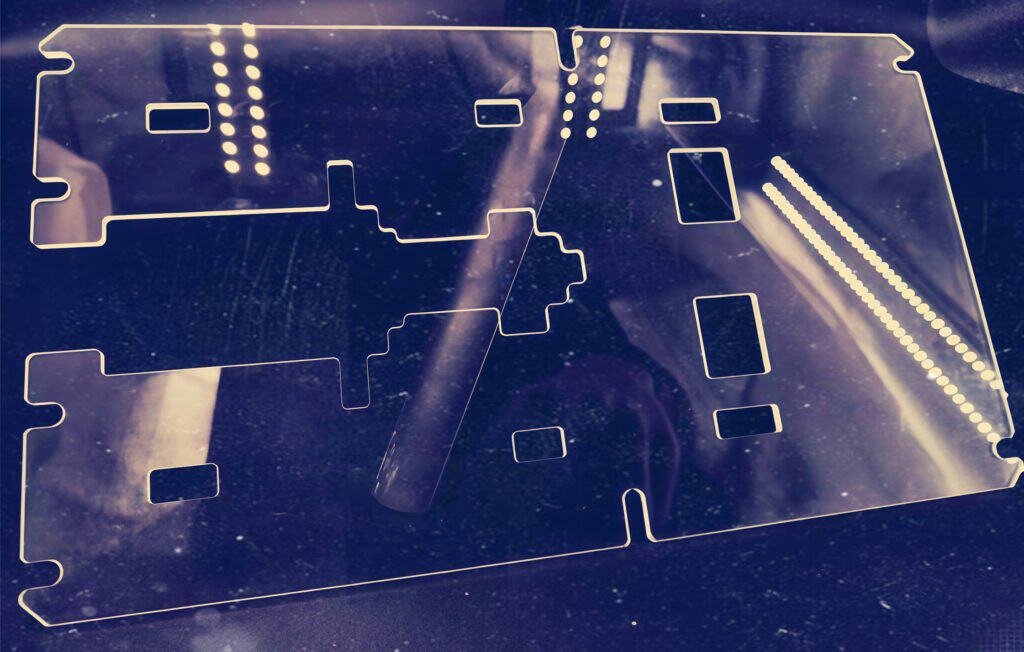
Sapphire glass with resistance to high and low temperatures refers to non-red alumina, which exhibits the following characteristics: high sound speed, high temperature resistance, corrosion resistance, high hardness, high transmittance, high melting point and other properties. The material is characterized by its complexity and therefore frequently serves as a constituent of photovoltaic modules. It is a pivotal elementary substance for contemporary industry, notably in the domains of microelectronics and optoelectronics. The industrial production of sapphire involves the creation of synthetic sapphire from pure alumina under high temperatures. Following a series of processes, the sapphire is then shaped into a disc using a diamond tool and subsequently polished to a reflective surface. As a consequence of the high cost of processing tools and the significant consumption of mesh, the production cost of sapphire reflective surface is comparatively high.
The synthetic sapphire processing process is outlined below. Initially, the raw material is decomposed into clean crystal components at an elevated temperature of 1200 °C. Subsequent to this decomposition, a pure white crystal raw material is obtained. Thereafter, the requisite crystal strips are subjected to a firing process at a temperature of 2050 °C. Following the acquisition of the crystal strips, it is subjected to a subsequent manual screening procedure. It is imperative that each crystal strip is subsequently found to be unsoiled and devoid of any flaws. The prepare and cutting process of sapphire high and low temperature resistant glass bears a strong resemblance to the production and cutting of single crystalline silicon, with the diamond wire cutting technology being utilized in this process. The material is then subjected to a process of cutting, resulting in the formation of crystal strips.
Moreover, sapphire glass with resistance to high and low temperatures must undergo a process of treatment to achieve a mirror surface. Therefore, subsequent to the cutting and sorting of the crystal glass strips, the surface of the strips is ground with a grinder at a low speed. This process is repeated for more than four times to achieve the desired bright and transparent mirror effect. Thereafter, the glass is transferred to the clean room for optical processing. At a high temperature of 280 °C, special optical media is plated on both sides of the glass.
