
Comprehensive Properties of Sapphire Chemical Corrosion-Resistant Glass
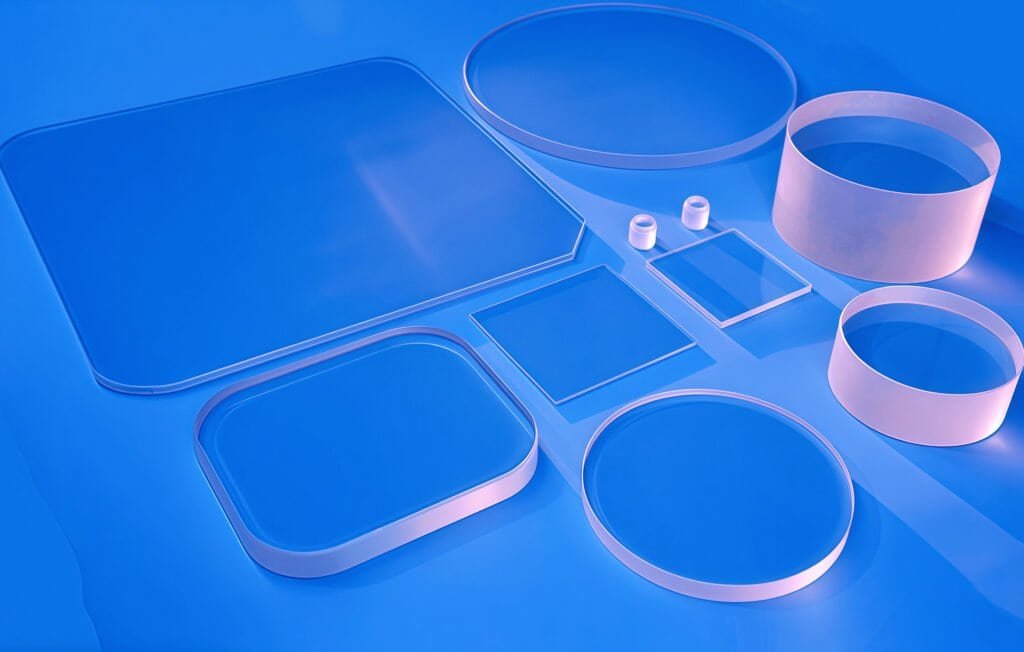 Sapphire chemical corrosion-resistant glass, with its distinctive chemical composition and sophisticated structural design, has proven effective in resisting corrosive substances. The advent of this advanced material represents a significant advancement in the field of glass science and technology, as well as a notable milestone in the ongoing human endeavour to address environmental challenges and to advance technological progress in a sustainable manner.
- Uniquechemical composition
Sapphire chemical corrosion-resistant glass exhibits such extraordinary corrosion resistance, attributable to its distinctive chemical composition. In contradistinction to conventional glass, which is predominantly constituted of silicate, the core component of sapphire glass comprises high-purity alumina (Al2O3), a material that is renowned for its high chemical stability and hardness. Alumina molecules are interconnected by robust ionic bonds, thereby establishing a compact crystal structure. This crystal structure is analogous to a layer of hard armour that is formed around the glass, rendering it resistant to the effects of acid, alkali and other corrosive substances. Consequently, the glass exhibits effective resistance to chemical corrosion.
Furthermore, in order to enhance the corrosion resistance and comprehensive performance of sapphire glass, a small amount of other metal oxides will be added on the basis of alumina, such as lanthanum oxide (La2O3), yttrium oxide (Y2O3) and other rare earth elements. These additives have been shown to refine the grain, improve the transparency of the material, and enhance its thermal stability and mechanical strength. Consequently, sapphire glass is able to maintain excellent performance in extreme environments.
- Exquisite structural design
In addition to its chemical composition, the structural design of sapphire chemical corrosion-resistant glass also contributed to its excellent properties. The molecular arrangement of traditional glass is relatively loose, which leads to the formation of defects and cracks. These defects provide a point of entry for corrosive substances. Sapphire glass is manufactured using a precision process, such as the melting method, the lifting method or the sputtering deposition method. This process ensures that the alumina molecules are ordered in a specific direction, forming a highly symmetrical and dense crystal structure. This structure not only reduces the presence of defects and cracks, but also improves the overall density and uniformity of the glass, further enhancing its corrosion resistance.
Simultaneously, the surface of sapphire glass has undergone specific treatment processes, including polishing and coating, with the objective of enhancing its aesthetic appeal and scratch resistance. These treatment measures not only enhance the visual appeal of the sapphire glass but also ensure a more even and polished surface, thereby minimizing the contact area with corrosive substances and reaction opportunities. Consequently, this contributes to prolonging the service life of the glass.
Sapphire glass, a chemical corrosion-resistant high-tech material with a unique chemical composition, exquisite structural design and a wide range of applications, represents the crystallization of human wisdom and scientific and technological progress. It also has the capacity to respond to the challenges of the natural environment and promote the sustainable development of society.
