
The Strength Limit of K9 Optical Lens
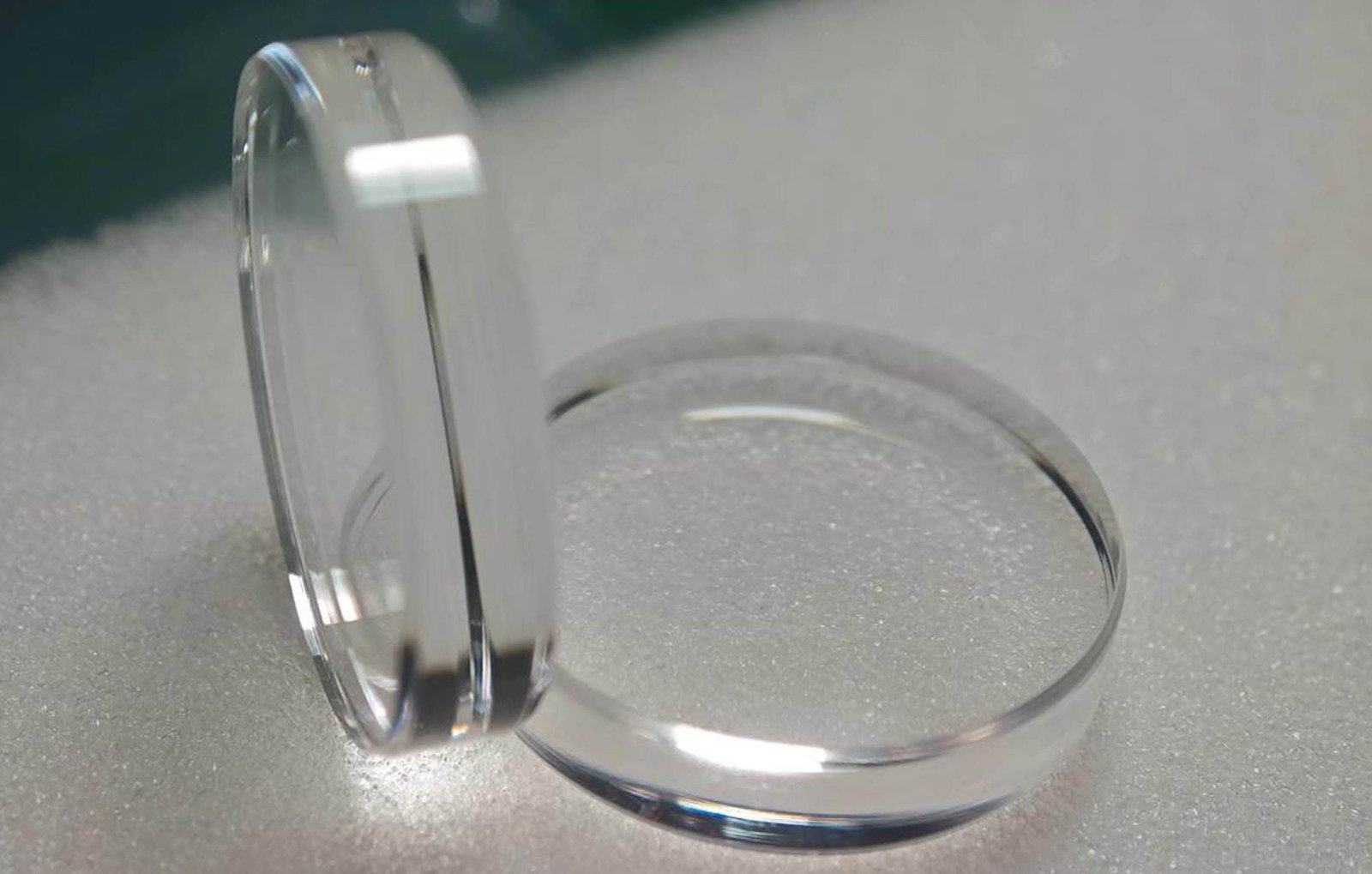
K9 optical lens is a type of high-purity borosilicate glass, also known as fluorapatite glass. Due to its excellent light transmission, low dispersion and high refractive index, it finds application in a multitude of optical fields, including glasses, camera lenses, telescopes and an array of precision instruments. The strength limit of K9 glass, that is, the maximum stress it can withstand without fracturing, representing an important physical parameter.
The strength limit of K9 glass is contingent on a number of factors, including the chemical composition of the material, the heat treatment during the manufacturing, the surface finish quality, and the external application conditions. During the manufacturing process, precise melting and cooling procedures are used to regulate the microstructure of the K9 glass, thereby enhancing its mechanical durability. Furthermore, the application of heat treatment processes, such as annealing, can effectively eliminate the internal stress, thereby enhancing the strength and heat shock resistance of the K9 glass.
The strength limit of K9 glass can be expressed quantitatively in terms of its breaking strength, which is the maximum stress value that can be withstood per unit area. This is usually expressed in units of megapascals (MPa) or gigapascals (GPa). The typical breaking strength of K9 glass is in the range of 90-120 MPa. It is noteworthy that despite the high strength limit of K9 glass, its impact resistance is relatively poor. When exposed to severe impact, the glass is susceptible to fracturing or crumbling. Consequently, when designing and utilizing a K9 optical lens, it is imperative to consider its impact resistance, implementing the requisite protective measures, such as using a protective film or frame, to enhance the overall durability of the K9 glass.
