
Description
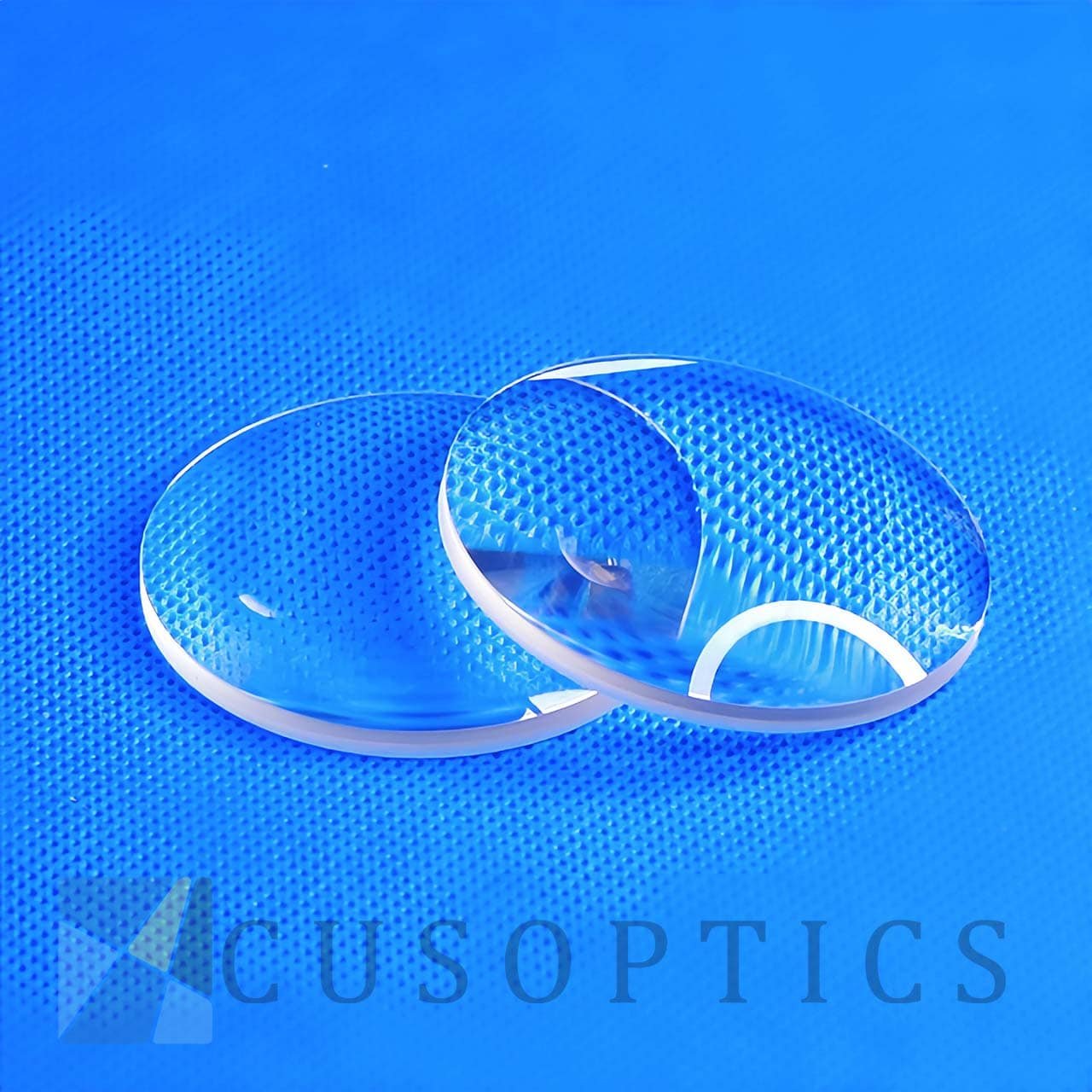
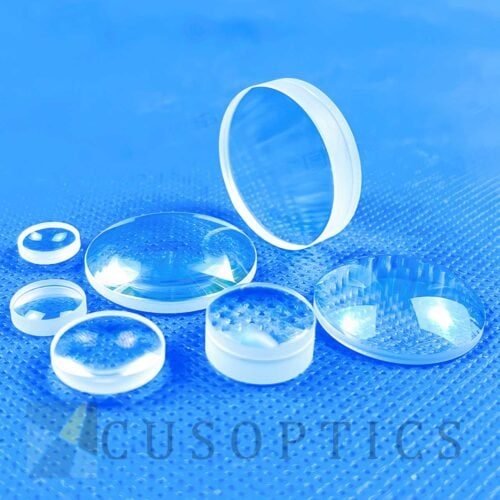
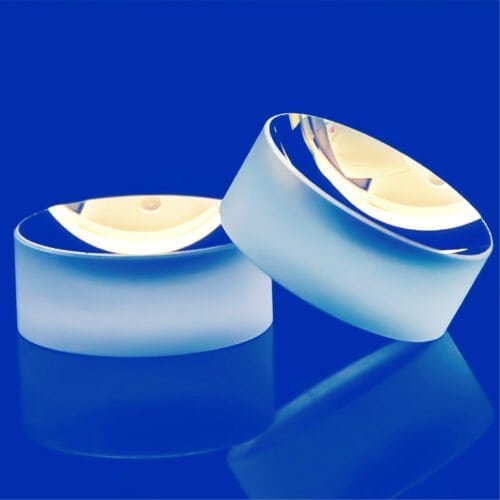
A laser collimating lens, often a Plano-Convex (PCX) lens, is designed to convert divergent laser light into a perfectly parallel beam. It is a critical component in laser beam expanders and various laser applications, serving as a precise laser objective lens. These lenses feature high-quality substrates and anti-reflection coatings to maximize transmission and minimize wavefront distortion. They are essential in fields like telecommunications, laser processing, metrology, and biomedical instrumentation for achieving accurate, collimated laser outputs.
Features:
Plano-Convex Lens (PCX): Converges light. One flat, one convex surface. Minimizes spherical aberration for collimating or focusing light. Common in laser applications.
Plano-Concave Lens (PCV): Diverges light. One flat, one concave surface. Used for beam expansion, projection, or correcting aberrations in optical systems.
Double-Convex Lens (DCX): Symmetrical converging lens. Two convex surfaces. General-purpose lens for magnification and imaging, but introduces more aberration than PCX.
Double-Concave Lens (DCV): Symmetrical diverging lens. Two concave surfaces. Used for beam expansion, image reduction, and as a simple negative lens in eyepieces.
Achromatic Doublet: Corrects chromatic aberration. A compound lens made by cementing a convex (crown glass) and a concave (flint glass) element. Essential for high-quality imaging.
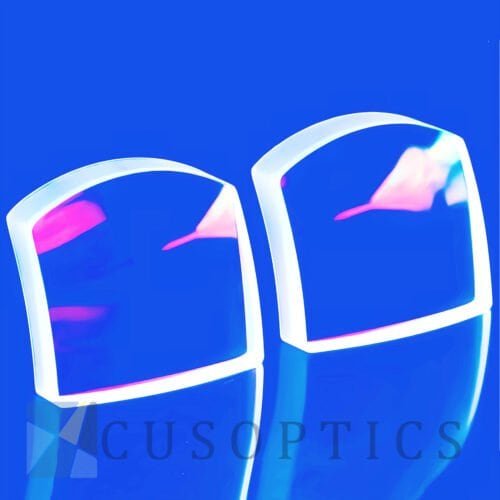
Meniscus Lens: Has one convex and one concave surface. Can be positive or negative. Primarily used to minimize spherical aberration in systems like camera lenses.