
Applications of Optical Coatings on Lenses
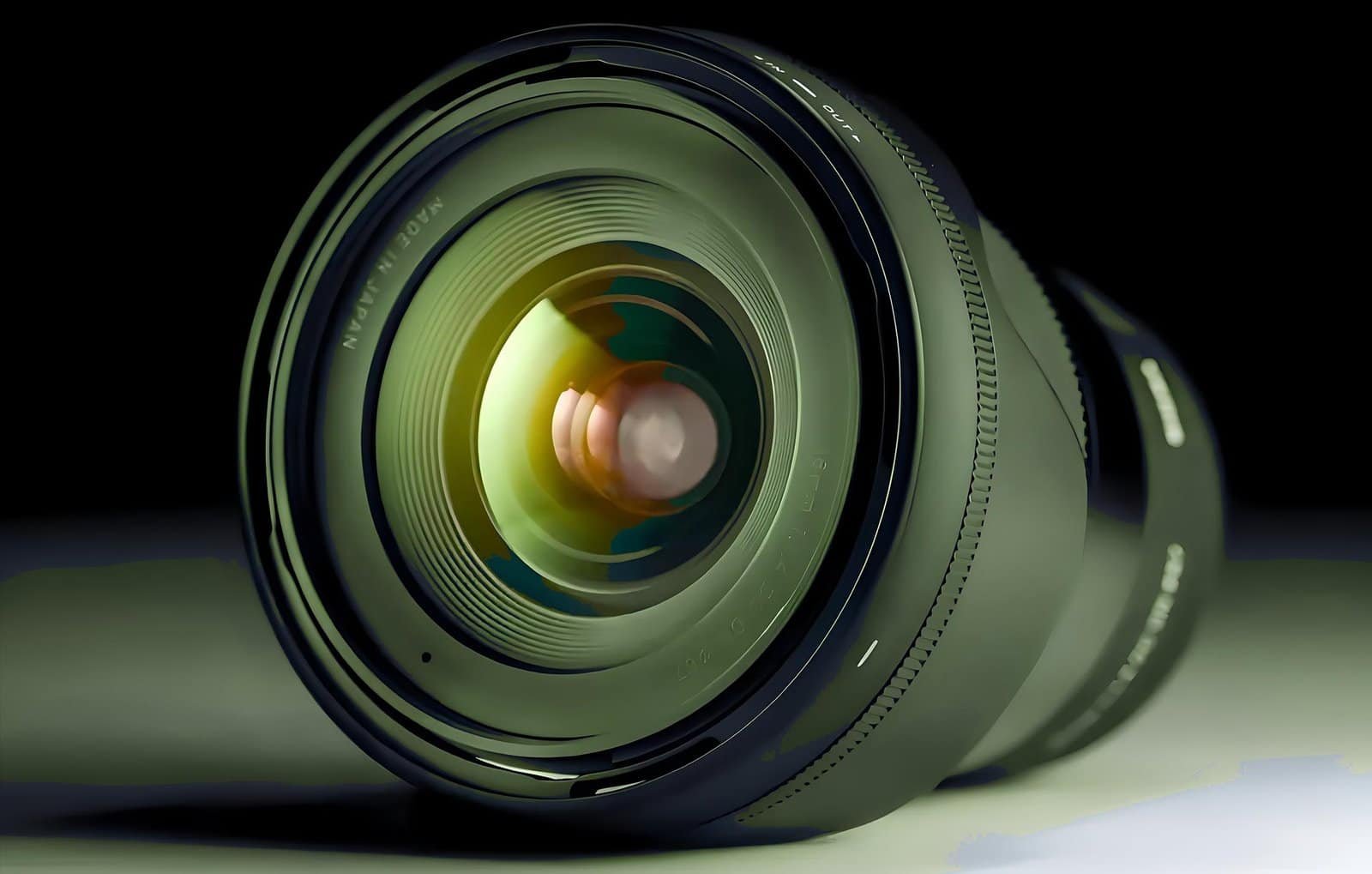
In the field of optics, lenses serve as core components for capturing high-quality images, and their performance directly influences the imaging quality of optical instrument. As a key technique for enhancing lens performance, optical coating technology plays an essential role in modern lens manufacturing. From consumer camera lenses to professional microscope and telescope lenses, as well as automotive camera lenses, optical coating technology is used in a wide variety of applications. By precisely controlling the properties of light propagation, optical coatings significantly improve the optical performance of lenses, delivering clearer and more realistic visual experiences to users.
- The principle of optical coating
Light undergoes reflection and refraction at the interfaces between different media. When light travels from air into a glass lens, around 4% to 5% of the light is reflected due to the difference in refractive index between the two substances. In the case of intricate lens systems comprising numerous lenses, light undergoes multiple reflections on the surface of each lens, with cumulative reflection losses reaching 30% to 40%. This reduces the light transmittance of the lens, decreasing the amount of light entering the camera and causing problems such as glare and glint, which can seriously affect image quality.
This issue can be precisely addressed using optical coating technology based on the principle of light interference. One or more layers of film materials with a specific thickness and refractive index are coated onto the lens surface. When light hits the coating layer, it is reflected at the two interfaces of the film, and these two reflected light beams interfere with each other. If the thickness of the film is designed to be one quarter of a certain wavelength of light, these two reflected beams of light will interfere with each other in a way that cancels each other out. This will greatly reduce the reflectivity of that particular wavelength of light.
A single-layer coating can only act on light of specific wavelengths, whereas visible light contains light of many different wavelengths. Therefore, multi-layer coating technology is required to ensure that light of different wavelengths can achieve high transmittance. The multi-layer coating process involves the use of different materials for the repeated application of film layers of different thicknesses to the lens surface. Each layer of film interacts with light of different wavelengths, canceling them out and achieving an anti-reflection effect over a wide spectral range.
- Applications of optical coating
- Camera lenses
In the field of camera lenses, the quality of the optical coating is a key factor in enhancing image quality. Canon L-class lenses, for instance, utilize a range of coating technologies. Super Spectral Coating (SSC) is characterized by its stable properties, which have the capacity to reduce glare and ghosting caused by lens surface reflection. In addition, it is able to achieve colour balance and meet strict colour reproduction standards.
- In-vehicle camera lenses
The performance requirements for in-vehicle camera lenses are extremely strict, with a requirement for stability in imaging in complex environments, thus making optical coating a pivotal role in this process. Through the utilization of vacuum deposition technology, a thin and transparent film is formed on the surface of the lens, thereby enhancing light penetration, reducing glare and glint, and ensuring accurate colour balance. For example, when exposed to strong light, the coating can prevent overexposure or light spots in the image by resisting interference from strong light sources. In environments with extreme temperatures and rapid temperature changes, the coating maintains the lens’s stable optical performance, ensuring the camera provides drivers with clear and reliable images in various weather and temperature conditions and contributing to driving safety. High-precision, automotive-grade ADAS lenses require extremely precise processing and advanced coating designs. The sophisticated coating technique of the filter guarantees that the images captured fulfil the clarity and precision requirements of advanced driver assistance systems.
- Microscope and telescope lenses
Optical coatings on microscope lenses improve the resolution and contrast of microscopic images. Low-reflective coatings reduce light reflection losses, thereby enhancing the visibility of sample and enabling researchers to perform in-depth analyses in fields such as cell biology and materials science. In telescope lenses, optical coatings are designed to capture weak light signals and enhance imaging quality. In astronomical observations, high-transparency coatings allow telescopes to collect more light from distant celestial objects, thereby improving the clarity and sensitivity of observations. This enables astronomers to detect fainter galaxies, nebulae, and other celestial bodies, thus expanding the frontiers of human knowledge about the universe.
